Choosing an Office Sofa and Reception Chair: Comfort and Durability
June 22, 2026 · 7 min read
A manufacturer's guide to the criteria that determine comfort and longevity when choosing an office sofa or reception chair, from frame and foam quality to upholstery durability, modularity and maintenance.
In an office, the first point of contact often happens on a seat. A visitor walks in, sits down on the office sofa or reception chair they are shown, and forms an impression of your brand before a single word is spoken. As an İnegöl-based office furniture manufacturer, here is what we have observed for years: a well-chosen seating group carries both comfort and corporate presence at once, while a poorly chosen one collapses, stains and has to be replaced within a few years. In this guide we treat office seating not as a space-planning topic but as a product: its frame, its foam, its upholstery and its durability.
Where They Are Used
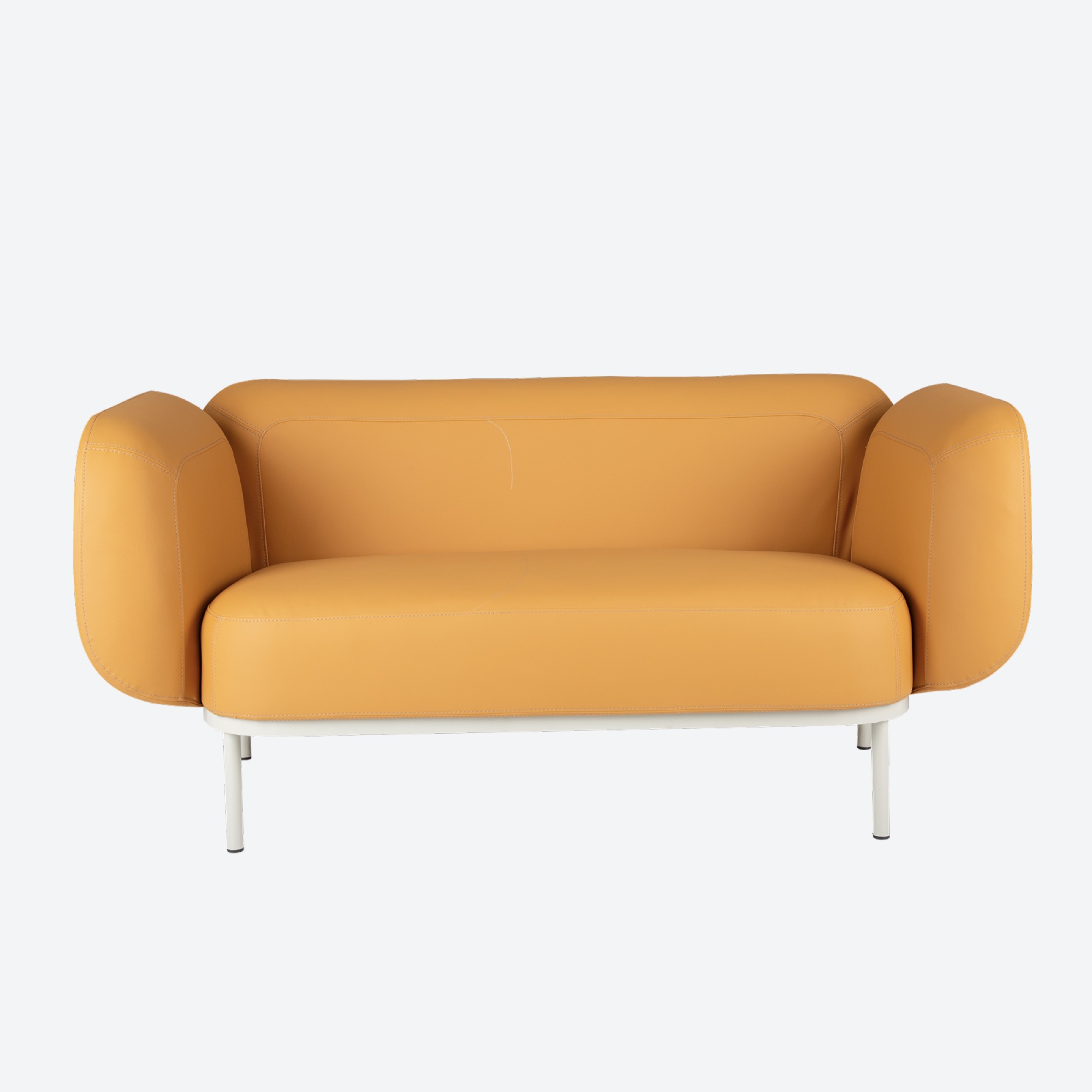
Office seating products do not fit a single mold; the place of use determines the whole selection. In reception and welcome areas, the guest chair and reception chair see the most traffic. Here people sit and stand all day long, waiting for different lengths of time at different weights, so durability comes first. Because the use is short but intense, both the frame and the upholstery must handle this constantly repeating load smoothly for years.
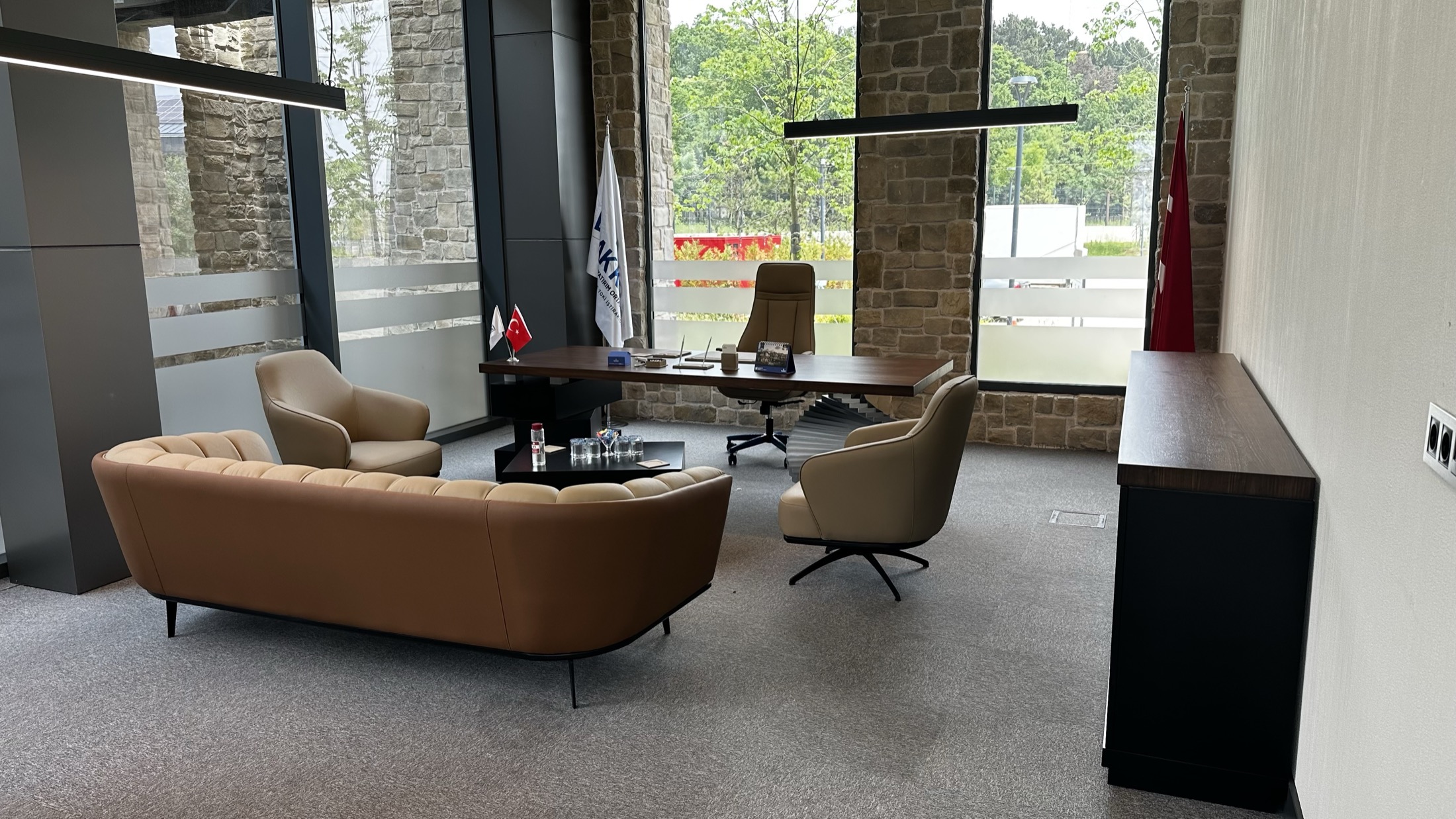
In waiting and lounge areas, office sofa models take the lead. A seating group built from two- or three-seater sofas, single armchairs and coffee tables hosts both waiting guests and short meetings. In these areas comfort and a tidy look are sought together; a seat that is too soft looks untidy, while one that is too firm tires the person waiting. In executive offices and VIP reception rooms, the sofa is chosen not only for sitting but also as an expression of status and hospitality.
Reading the place of use correctly also protects you from unnecessary cost. A lobby that welcomes dozens of people a day and an executive office that receives a few guests a month do not require the same durability class. One calls for a build that withstands heavy use, while in the other aesthetics and refinement of material can take the lead. In project meetings we always ask first about the traffic and the usage scenario of the space, because the right product is chosen according to the use, not merely the room.
Comfort and Internal Structure: Frame and Foam
The quality of a sofa is hidden in the part you cannot see. From the outside, two chairs may look alike; you understand the difference when you sit down and when you have used them for a few years. As much as the visible upholstery, the load-bearing structure and filling beneath it determine the life and comfort of the product.
The frame is the load-bearing system of the seat. Quality manufacturers generally prefer kiln-dried hardwood or reinforced metal frames, because damp or knotty wood cracks and squeaks over time. Supporting the frame joints with glued dowels, corner brackets and screws rather than staples is one of the most important details determining whether the sofa stays solid for years. A well-built frame transfers the load placed on it evenly across the whole body and keeps the sofa's form for a long time.
Foam density sits at the center of both comfort and permanence. Low-density foam may feel soft at first, but it soon leaves a seating imprint and sags. Using higher-density layers in the seat and softer layers in the back and arms together provides both first-touch comfort and long life. For a heavily used reception chair or guest chair, high-density foam more than pays for itself over the long run; although its initial cost is a little higher, it removes the need for replacement over the years.
The support system beneath the foam matters too. Elastic webbing or serpentine springs distribute the seating load evenly and extend the life of the foam. A seat that rests on foam alone will collapse inward within a few years. As a manufacturer, we define comfort not by a single material but by the harmony of the frame-support-foam trio; when this trio is set up correctly, the sofa keeps its first-day feel for many years.
Upholstery Selection: Leather and Fabric
Upholstery is both the visible face of the sofa and its most worn layer. When choosing an office sofa or reception chair, the decision between leather and fabric should usually be driven by conditions of use rather than aesthetics alone. The traffic of the space, the cleaning expectation and the budget balance together determine which material is right.
Genuine leather, cared for correctly, defies the years and grows more beautiful over time; however, its investment cost is higher and it needs regular conditioning. In high-traffic lobbies or in projects where budget balance matters, quality faux leather is a strong alternative: with its wipeable, hygienic and durable surface, it is especially preferred in places where cleanliness is a priority, such as healthcare and education.
Fabric upholstery, in turn, offers warmth, color and richness of texture. The decisive factor here is abrasion resistance; quality manufacturers prefer contract-grade fabrics that withstand high rub tests. Fabrics with stain-resistant, water-based or easy-clean finishes significantly extend service life in an office environment. The elegant look of light colors is appealing; but in heavily used areas the risk of staining should be weighed alongside it. Darker or patterned fabrics can offer both elegance and practicality together in high-traffic areas.
Whichever material is chosen, low-emission materials and eco-friendly adhesives are important for a healthy interior. Considering that people spend long hours in an enclosed office environment, the upholstery and filling materials should be odorless and breathable. A breathable upholstery increases comfort during long sitting and reduces perspiration.
Modularity and Scale
Offices are living spaces; teams grow, areas are rearranged, ways of use change. That is why modularity is one of the features that adds the most value over the long term. A layout that meets today's needs may fall short a few years later; a modular setup keeps pace with that change.
A modular office seating group takes shape according to the space by joining single, double and corner modules together. The area where you build a corner sofa today can be turned into two separate two-seaters tomorrow; you can add a new module to a growing waiting area. This flexibility turns furniture from a one-time purchase into a long-lasting investment.
The question of scale, meanwhile, is often overlooked. Placing a huge sofa in a small welcome area smothers the space; placing a small chair in a wide lobby leaves it lost in the emptiness. Sofa depth, seating height and arm distances determine both bodily comfort and proportion to the space. In our project drawings we always evaluate seat dimensions together with the real square meters of the space and the circulation axes; that way a layout emerges that is both comfortable and spacious. The right scale makes a space look both functional and balanced.
Maintenance and Durability
The true cost of a sofa appears not at the moment of purchase but across its service life. A long-lived product is far more economical over the years; a chair that looks cheap but has to be replaced quickly is in fact the most expensive option.
Cleanability plays the leading role here. Removable, washable covers, wipeable surfaces and stain-resistant finishes make daily care easier. In an office environment coffee, ink and general dust are inevitable; a surface that allows a quick first response keeps the sofa looking good for a long time.
Several concrete points determine durability:
- The soundness of the frame joints and their freedom from squeaking
- The foam returning to its original form without leaving a seating imprint
- The strength of the upholstery seams and zippers
- The legs and mechanisms carrying the load without trouble
In a quality chair, all these details work together. As a manufacturer, the point we care about most is serviceability after use: being able to renew the cover, replace the foam and repair the frame multiplies the life of a product. A serviceable chair, since it can be renewed rather than fully replaced, protects both the budget and resources.
VIP and Upper Segment
For executive floors and private reception rooms, a seating group establishes a language beyond comfort. Here material, workmanship and detail carry the brand perception as a whole. The visitor often senses this difference not in words but the moment they sit down.
Upper-segment products generally bring together thicker and multi-layered foam structures, hand-pulled stitching, quilted details and select upholstery materials. The quality of the finish on wooden or metal legs, the refinement of the arm details and a symmetrical stance lift the sofa out of being an ordinary seating product. In the VIP segment, what matters is consistency rather than show: every stitch and every layer worked with the same care.
Made-to-order production also comes into play in this segment. Upholstery matched to the corporate color palette, details aligned with the logo and dimensions in harmony with the architecture of the space are exactly where a manufacturer running design, production and installation under one roof makes a real contribution. Such production turns the product from a piece picked out of a catalog into a solution that belongs to the space.
A well-chosen office sofa or reception chair conveys both the care you show your guests and the permanence of your brand. If you share with us the dimensions of your space, its daily traffic and your expectations, we can plan together a seating-group layout tailored to your project, from its frame to its upholstery, from its scale to its modularity. At NSON our aim is to offer a seating solution that not only looks good today but still stands solid years later.