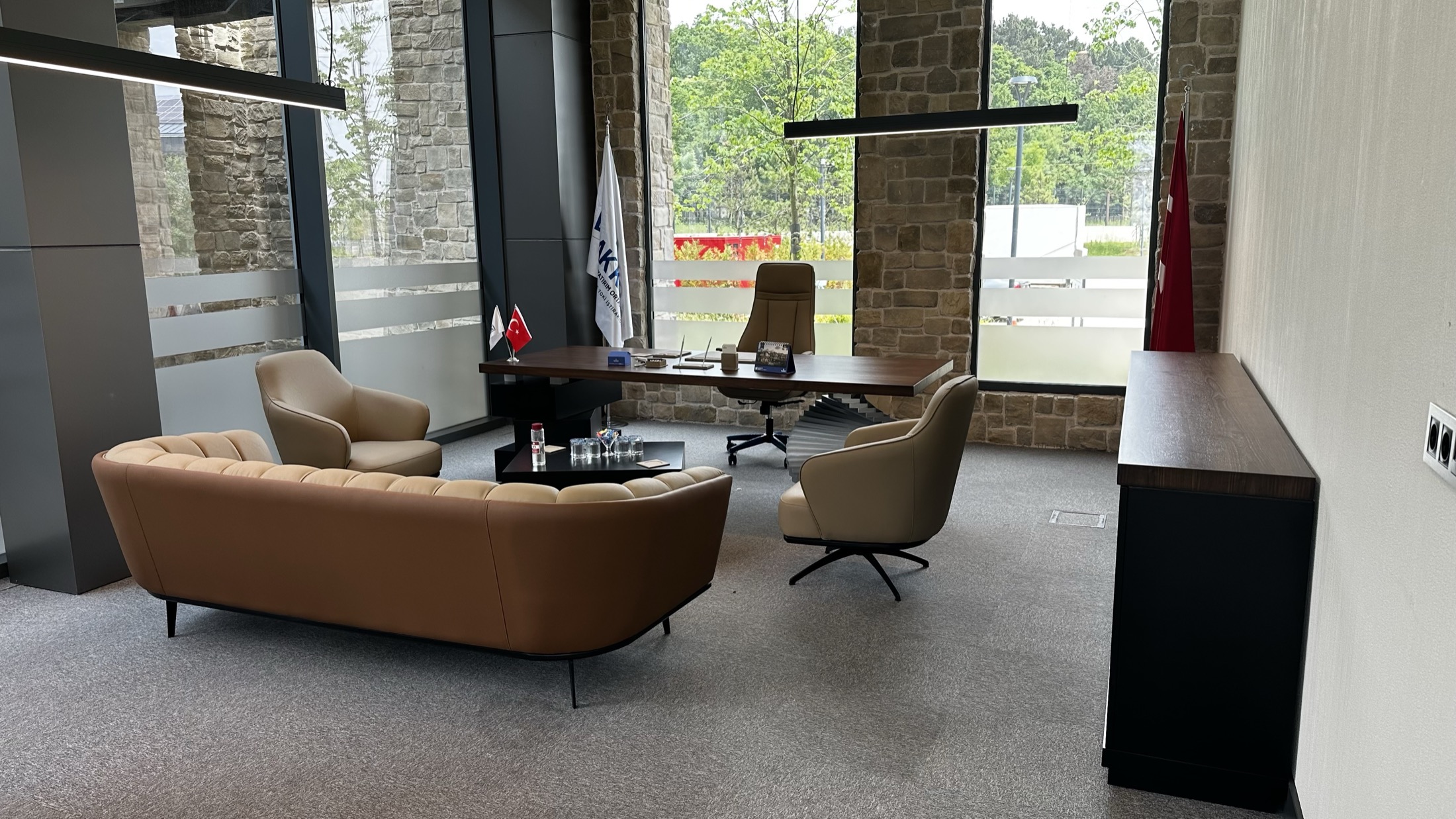
Ofis Koltuğu Nasıl Seçilir? Ergonomi, Mekanizma ve Kumaş Rehberi
3 Temmuz 2026 · 7 dk okuma
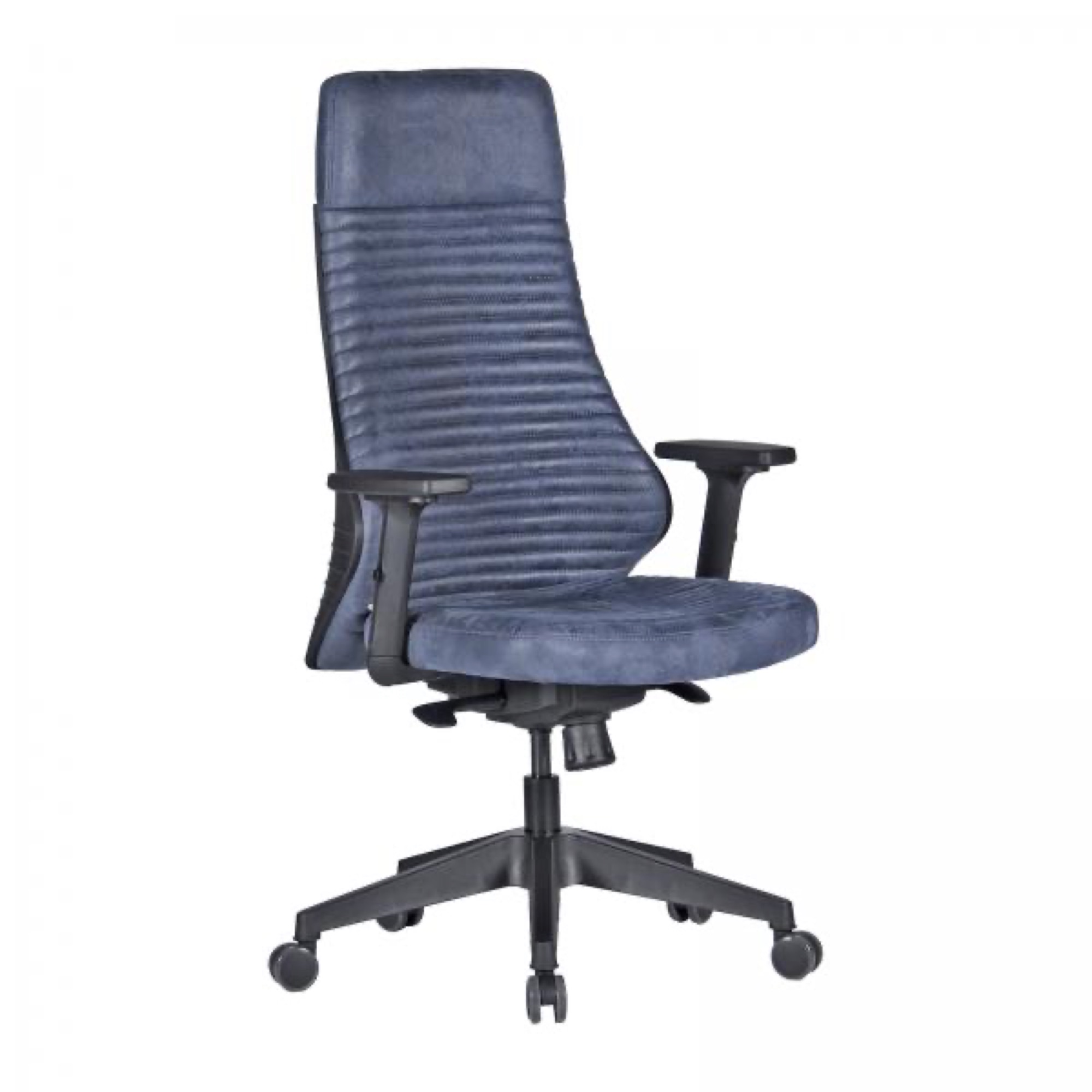
Bel desteğinden mekanizma tipine, fileli ve döşemeli sırt arasındaki farklardan kumaş dayanımına kadar; doğru ofis koltuğunu kullanım tipine göre seçmenizi sağlayan, üretici gözünden hazırlanmış kapsamlı bir rehber.
Bir çalışma masasında geçirilen saatlerin verimini belirleyen en önemli unsur çoğu zaman masanın kendisi değil, arkasındaki koltuktur. Doğru bir ofis koltuğu seçmek, yalnızca konfor meselesi değil; bel ve boyun sağlığı, gün sonundaki yorgunluk ve uzun vadede koltuğun ömrü ile de doğrudan ilgilidir. Gün içinde altı, yedi saat aynı koltukta oturan biri için yanlış bir tercih; sırt ağrısı, dikkat dağınıklığı ve kısa sürede eskiyen bir üründen ibaret kalmaz, çalışma veriminin tamamına yansır. İnegöl merkezli bir ofis mobilyası üreticisi olarak, tasarımdan üretime ve montaja kadar süreci tek elden yürüttüğümüz için ergonomik ofis koltuğu tercihinin nelere bağlı olduğunu sahada net görüyoruz. Bu rehberde; ergonomi temellerini, mekanizma tiplerini, fileli ve döşemeli sırt farkını, kumaş dayanımını ve kullanım tipine göre koltuk seçimini adım adım ele alıyoruz. Amacımız, teknik bir terim yığını sunmak değil; bir koltuğa bakarken hangi ayrıntılara dikkat etmeniz gerektiğini sade bir dille aktarmak.
Ergonomi Temelleri: Bel Desteği, Kolçak ve Yükseklik
Bir çalışma koltuğunun kalitesi önce oturuş geometrisinde saklıdır. İyi bir koltuk, vücudun doğal duruşunu zorlamadan destekler; kötü bir koltuk ise kullanıcıyı farkında olmadan öne eğilmeye ya da omuzlarını kasmaya iter. Bu nedenle satın almadan önce üç temel ayara bakmak gerekir.
- Bel desteği: Omurganın bel bölgesindeki doğal içbükey eğrisini destekleyen bir yapı şarttır. Yüksekliği ayarlanabilen bir bel desteği, farklı boydaki kullanıcılara uyum sağlar ve gün boyu öne kaymayı azaltır. Desteğin doğru noktaya, yani bel çukuruna denk gelmesi, sabit bir dolgudan çok daha etkilidir.
- Kolçak: Sabit kolçak birçok kullanıcı için yetersizdir. Yüksekliği ve tercihen genişliği ayarlanabilen kolçaklar, omuz ve dirseklerin gevşek kalmasını sağlar. Klavye kullanırken dirseğin yaklaşık 90 derece açıda durması hedeflenmelidir; bu açı, boyun ve omuz kaslarındaki yükü belirgin şekilde azaltır.
- Yükseklik ayarı: Gazlı amortisör (piston) sayesinde oturak yüksekliği, ayak tabanları yere tam basacak ve dizler kalçayla aynı hizada olacak şekilde ayarlanabilmelidir. Ayakların havada kalması ya da dizlerin fazla yükselmesi, uzun oturmalarda bacak dolaşımını olumsuz etkiler.
Bunlara ek olarak oturak derinliğinin ayarlanabilmesi, diz arkasına baskıyı önlediği için uzun süreli oturmada önemli bir konfor kazandırır. Farklı boylardaki kişilerin aynı koltuğu paylaştığı ortamlarda bu ayar daha da değerli hale gelir. Ergonomi, tek bir özellikte değil; bu ayarların bir arada, kullanıcının bedenine göre uyumlanabilmesinde gizlidir.
Mekanizma Tipleri: Senkron ve Eş-Hareket
Koltuğun altında yer alan mekanizma, sırtlığın ve oturağın nasıl hareket ettiğini belirler ve konforun görünmeyen belkemiğidir. Çoğu kullanıcı bu parçayı hiç fark etmez; oysa günlük konforun ve dayanıklılığın büyük bölümü buradan gelir. Piyasada en çok karşılaşılan tipleri sadeleştirerek açıklayalım.
- Sabit mekanizma: Sırtlık ve oturak açısı sabittir. Genellikle misafir veya kısa süreli kullanım koltuklarında tercih edilir ve yaslanma ihtiyacı olmayan alanlar için yeterlidir.
- Yaylı (permanent contact) mekanizma: Sırtlık geriye yaslanabilir ve bir yay yardımıyla sırtı takip eder. Orta seviye bir çözümdür; ara sıra yaslanılan ancak gün boyu yoğun kullanılmayan koltuklar için uygundur.
- Senkron mekanizma: Sırtlık geriye yaslandığında oturak da belirli bir oranda hareket eder. Bu eş-hareket, dizlerin havada kalmasını ve ayakların yerden kesilmesini önleyerek dolaşımı destekler. Uzun saatler oturan çalışanlar için en sağlıklı çözümlerden biridir.
Kaliteli üreticiler, senkron mekanizmalarda gerginlik ayarı ve birkaç kademeli kilit sunmayı tercih eder; böylece farklı kilolardaki kullanıcılar yaslanma direncini kendilerine göre ayarlayabilir. Gerginliğin kişiye göre ayarlanabilmesi, hafif bir kullanıcının koltukla mücadele etmesini ya da daha ağır bir kullanıcının yeterli desteği bulamamasını engeller. Yoğun kullanılan çalışma alanlarında mekanizma kalitesi, koltuğun ömrünü belirleyen en kritik unsurlardan biridir; çünkü en çok yorulan ve arıza riski taşıyan parça çoğu zaman burasıdır.
Sırt Tipi: Fileli mi, Döşemeli mi?
Fileli ofis koltuğu ile döşemeli sırt arasındaki tercih, hem konforu hem de mekânın karakterini etkiler. İkisinin de kendine göre güçlü yanları vardır ve doğru seçim, çoğu zaman mekânın kullanım biçimine göre değişir.
Fileli sırt, hava geçirgenliği sayesinde özellikle sıcak ortamlarda ve uzun oturmalarda sırtın terlemesini azaltır. Esnek dokusu vücuda uyum sağlar ve görsel olarak daha hafif, modern bir izlenim verir. Kaliteli fileli koltuklarda önemli olan, filenin gerginliğini koruyan sağlam bir çerçeve ve zamanla sarkmayan bir örgü yapısıdır; ucuz örgüler kısa sürede gevşeyerek desteğini kaybeder.
Döşemeli sırt ise daha dolgun bir konfor hissi ve daha klasik, prestijli bir görünüm sunar. Yönetici alanlarında ve daha resmi ortamlarda genellikle döşemeli sırt tercih edilir. Burada dolgu yoğunluğu ve süngerin kalitesi belirleyicidir; düşük yoğunluklu sünger kısa sürede oturma izi bırakır ve ilk günkü konforunu koruyamaz.
Seçim yaparken mekânın iklimini, kullanım yoğunluğunu ve istenen görsel dili birlikte değerlendirmek gerekir. Açık ofislerde nefes alan fileli çözümler pratikken, yönetim katlarında döşemeli sırt daha güçlü bir izlenim bırakır. Bazı projelerde iki yaklaşımın bir arada kullanılması, hem işlevsel hem de görsel açıdan dengeli bir sonuç verir.
Kumaş ve Dayanıklılık: Martindale Değeri
Ofis sandalyesi seçiminde en çok atlanan konu, döşeme kumaşının dayanımıdır. Oysa yoğun kullanılan bir koltukta kumaş, koltuğun görünürdeki ömrünü belirler; iskeleti sağlam bir koltuk bile yıpranmış bir kumaşla eski görünür.
- Martindale değeri: Bir kumaşın aşınmaya karşı dayanımını ölçen standart bir testtir; sürtünme döngüsü olarak ifade edilir. Genel bir yaklaşımla, ev tipi kullanım için düşük değerler yeterliyken, yoğun ofis ve proje kullanımında daha yüksek Martindale değerine sahip kumaşlar tercih edilmelidir.
- Leke ve su tutmazlık: Özellikle ortak kullanım alanlarında, temizlenebilir ve leke tutmayan kumaşlar bakımı kolaylaştırır ve koltuğun uzun süre bakımlı görünmesini sağlar.
- Renk haslığı: Işığa ve sürtünmeye karşı renk haslığı yüksek kumaşlar, zamanla solmayı azaltır; pencere kenarındaki koltuklarda bu özellik ayrıca önem taşır.
Kaliteli üreticiler, kullanım senaryosuna uygun kumaş sınıfı öneren bir yaklaşımı tercih eder; yani her koltuğa aynı kumaşı değil, mekânın yoğunluğuna göre doğru dayanımdaki kumaşı yönlendirir. Fileli seçeneklerde ise örgünün gramajı ve UV dayanımı benzer bir öneme sahiptir. Döşeme kadar iskelet malzemesi de önemlidir; sağlam bir taban, kaliteli tekerlek ve güçlü bir piston, koltuğun toplam dayanıklılığını doğrudan etkiler. Zemin tipine uygun tekerlek seçimi ise hem koltuğu hem de zemini korur.
Kullanıma Göre Koltuk Tipi
Doğru koltuk, her zaman en pahalı koltuk değil; yapılan işe en uygun koltuktur. Kullanım tipine göre ihtiyaçlar belirgin şekilde farklılaşır ve aynı özelliklerin her role uygun olması beklenemez.
- Yönetici koltuğu: Uzun süreli oturmaya ve prestijli bir görünüme uygundur. Genellikle yüksek sırtlı, döşemeli sırt, güçlü senkron mekanizma ve baş desteği içerir.
- Çalışma koltuğu: Günün büyük bölümünü masada geçiren personel için tasarlanır. Ayarlanabilir bel desteği, senkron mekanizma ve nefes alan fileli sırt bu grupta öne çıkar.
- Misafir koltuğu: Kısa süreli oturma içindir. Genellikle sabit ayaklı veya u-ayaklı, daha sade ve dayanıklı yapıdadır; ayar mekanizmasına ihtiyaç duymaz.
- Konferans ve toplantı koltuğu: Orta süreli oturmaya uygun, estetik bütünlük gözetilen çözümlerdir. Toplantı masasıyla uyumlu bir tasarım ve makul bir yaslanma konforu beklenir.
Bir mekânı bütün olarak planlarken bu tipleri birbirini tamamlayacak şekilde seçmek, hem görsel bütünlük hem de bütçe verimliliği açısından önemlidir. Aynı çalışma alanında herkese aynı koltuğu vermek yerine, rolüne ve masada geçirdiği süreye göre koltuk eşleştirmek daha sağlıklı bir yaklaşımdır. Bu yaklaşım, bütçenin en çok oturan çalışanların konforuna doğru yönlendirilmesini de kolaylaştırır.
Doğru Seçimi Birlikte Planlayalım
Özetle iyi bir ofis koltuğu seçimi; ergonomik ayarların bütünlüğü, doğru mekanizma, mekâna uygun sırt tipi, kullanım yoğunluğuna denk kumaş dayanımı ve rolü karşılayan koltuk tipinin bir araya gelmesiyle ortaya çıkar. Bu unsurlar tek tek değil, birlikte değerlendirildiğinde hem konforlu hem de uzun ömürlü bir sonuç verir. Tek bir üstün özellik, eksik kalan diğer ayrıntıları telafi etmez; bütünlük her zaman tek bir parçadan daha belirleyicidir.
NSON olarak Ofis Koltukları ve Sandalyeler grubumuzda çalışma, yönetici, misafir ve konferans ihtiyaçlarının tamamına yönelik çözümler geliştiriyoruz. Ofisinizin planını, çalışan sayınızı ve kullanım yoğunluğunuzu bizimle paylaşırsanız; mekânınıza uygun ölçü, mekanizma ve kumaş seçenekleriyle projeye özel bir kurgu birlikte planlayabiliriz. Tasarımdan üretime ve montaja kadar süreci tek elden yürüttüğümüz için, ihtiyacınıza göre doğru koltuğu doğru alana yerleştirmek üzere yanınızda oluruz.
İlgili Sayfalar